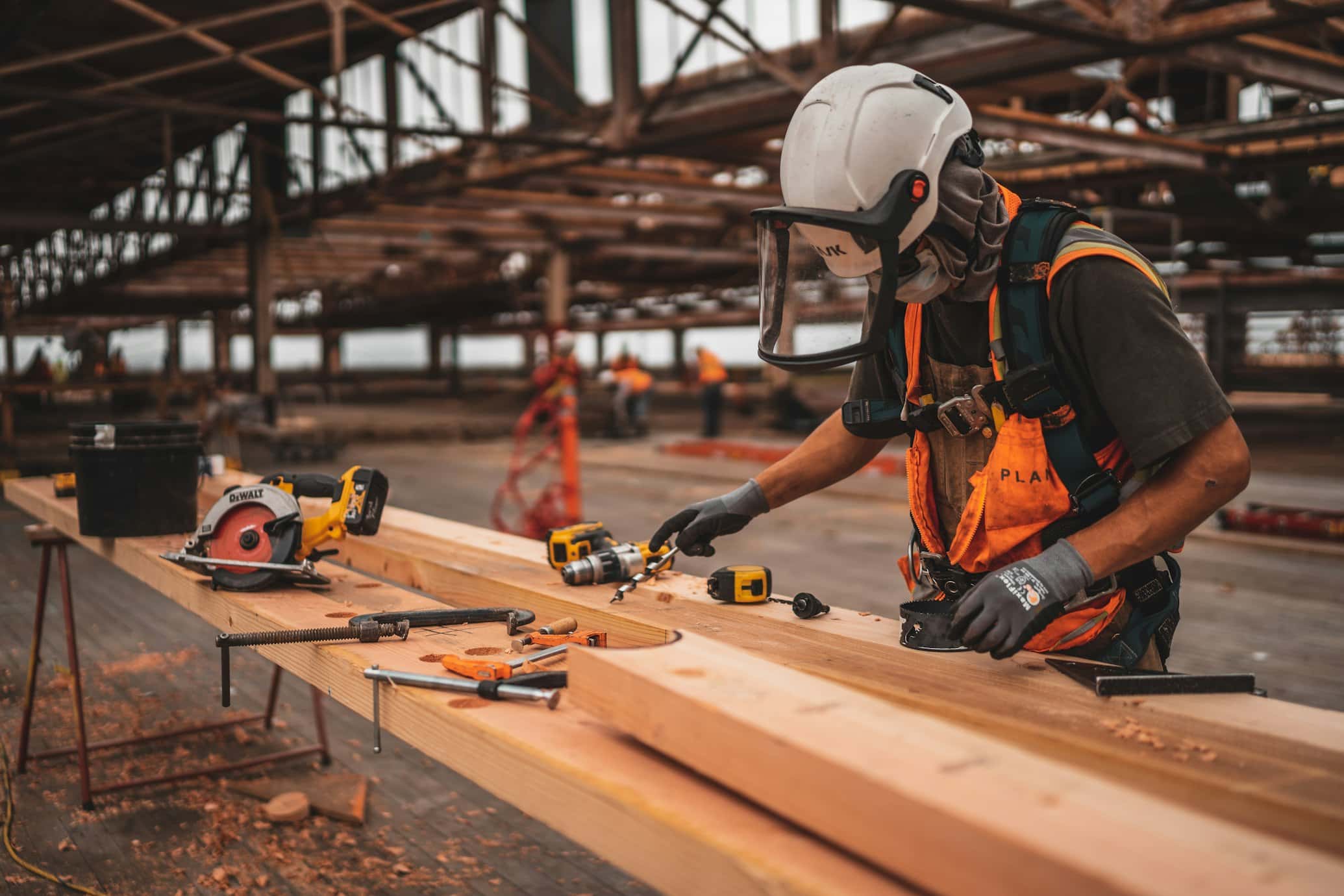
When dealing with heirloom hardwood flooring, standard replacement is rarely an option. Vintage planks carry years of character, custom staining, and a unique patina that modern millwork cannot easily replicate. To preserve these architectural treasures, woodcraft masters rely on the complex trade of invisible patching.
The Core Methodology: Grain Alignment and Fiber Selection
An invisible patch is not merely about plugging a hole; it is a meticulous study in timber anatomy. A restorer must carefully analyze the species, growth ring density, and grain orientation of the surrounding boards. Staves selected for patching must be cut from wood of matching age and moisture levels, ensuring the wood contracts and expands at exactly the same rate as the surrounding flooring.
Modern Resins and Heritage Wood Dust
One of the most effective historical patching tricks, now enhanced by modern chemistry, is the blending of site-harvested wood dust with advanced low-viscosity epoxy binders. During the sanding phase, high-grid dust is collected and preserved. This fine dust is then mixed with non-yellowing, rapid-cure acrylic or epoxy resins. Because the dust matches the mineral content and color of the original planks, the resulting binder takes stains and topcoats exactly like natural wood fiber.
Precision Hand-Scraping and Color Calibration
Once the patch is structurally integrated, the restorer uses specialized hand-planes and card scrapers to level the surface flush. Rather than relying on power sanders, hand-scraping preserves the subtle micro-contours of old flooring. Finally, multi-step aniline dyes or oil-based pigments are layered onto the patch to seamlessly blend the color transition, resulting in a repair that is virtually undetectable even under intense, direct light.